


The Hidden Crisis of Christianity in Algeria – Time for Global Attention
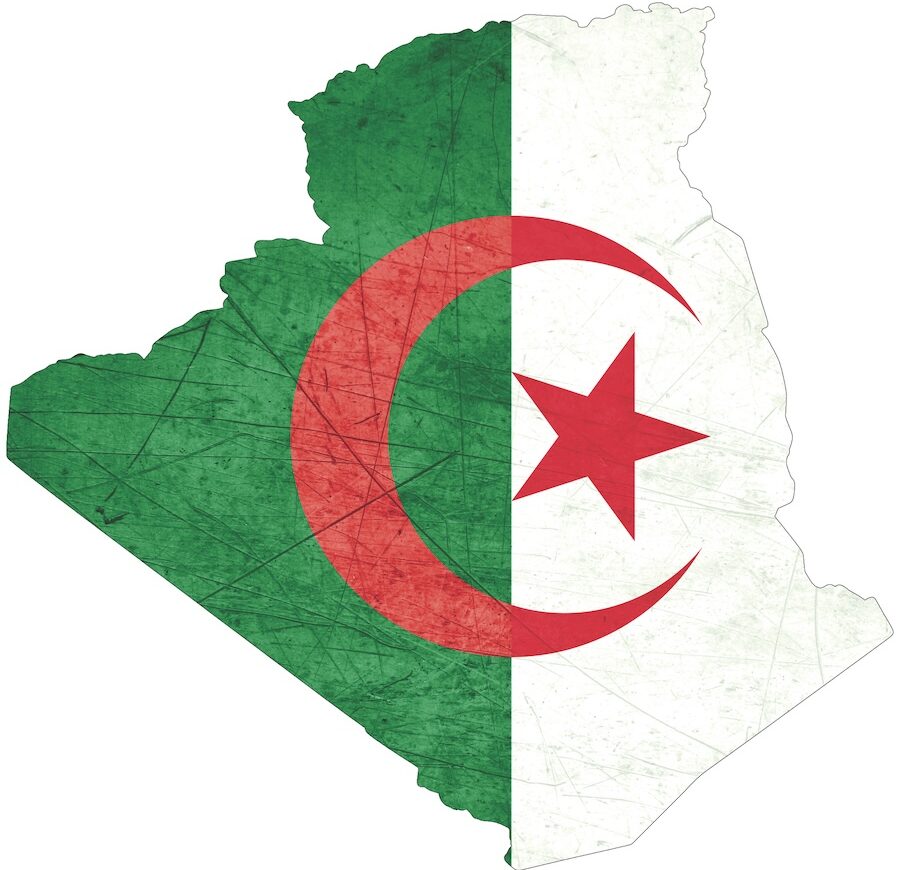
The world watches as conflicts and humanitarian crises unfold, yet beneath the radar, silent and systematic repression of a religious minority is intensifying in Algeria. For years, the North African nation has been quietly tightening its grip on its Christian community, particularly converts from Islam, ushering in an era of shuttered churches, legal persecution, and rampant social discrimination. It’s a hidden crisis that demands immediate global attention.
At the heart of this repression lies Ordinance 06-03, a 2006 law ostensibly designed to regulate non-Muslim worship but effectively weaponized to control and suffocate the nascent Christian community. Passed without consultation with Christian leaders, this ordinance has become the primary tool for a systematic crackdown, particularly on the Protestant Church of Algeria (EPA), the legally recognized umbrella organization for most evangelical churches.
Under Ordinance 06-03, non-Muslim worship can only take place in buildings “designated” for such use by a national commission. Obtaining this designation is virtually impossible. As a result, nearly all evangelical churches in Algeria operate without official authorization, rendering them vulnerable to closure. Since 2017, Algerian authorities have sealed or ordered the closure of approximately 42 EPA-affiliated churches and Christian-run organizations, often citing lack of permits, safety regulations, or health codes –pretexts widely seen as covers for religious discrimination.
Unauthorized Faith
But the repression extends far beyond bureaucratic hurdles. Algerian law, specifically Penal Code Article 144, criminalizes blasphemy, and Ordinance 06-03 (Articles 11, 12, 13) prohibits proselytization of Muslims and the production or distribution of materials “shaking the faith of a Muslim.” These vague provisions are frequently used to prosecute Christian converts.
The cases are numerous and harrowing. In 2021, Foudhil Bahloul was sentenced to one year in prison and a fine for sharing Christian materials online. Soulimane Bouhafs, a Christian convert, faced a three-year prison sentence for blasphemy in 2016. Rachid Mohamed Seighir and Mouh Hamimi were sentenced to two years in prison for “distributing publications undermining the Muslim faith.” Pastor Youssef Ourahmane, the vice president of the EPA, was among a group of Christians sentenced to prison terms and fines in 2023 for operating an unauthorized place of worship. Pastor Salaheddine Chalah, the president of the EPA, was convicted in 2023 for “unauthorized worship” and “inciting an unarmed gathering,” though his sentence was later suspended. These are not isolated incidents but part of a discernible pattern of legal harassment.
The persecution is not solely state-sponsored; it is deeply embedded in society, particularly in the Kabyle (Berber) region, where the majority of Algerian Christians reside as converts from Islam. Converts face immense social pressure and ostracization from their families and communities. This can manifest as physical abuse, banishment from their homes, forced house arrest, and even attempts at forced marriage or divorce. Female converts, in particular, may face social isolation, domestic violence, and loss of child custody, while men can be subjected to public shaming, economic pressure, and exclusion from community events. This social stigma makes daily life precarious for those who choose a different faith path.
U.S. Speaks Up
The international community has not been entirely silent. U.S. Secretary of State Marco Rubio has placed Algeria on its “Special Watch List” for engaging in or tolerating severe violations of religious freedom. The U.S. Embassy in Algeria consistently advocates for religious freedom with Algerian officials, and organizations like the World Evangelical Alliance have raised concerns at the UN Human Rights Council.
However, these actions have yet to translate into significant change on the ground. The systematic nature of the repression, the legal tools employed, the closure of churches, the prosecution of converts, and the pervasive social discrimination paint a grim picture.
It is time for the global community to move beyond concern and toward concerted action. Governments, international bodies, and human rights organizations must exert stronger diplomatic pressure on Algeria to repeal or amend repressive laws like Ordinance 06-03. There must be accountability for closing churches and the arbitrary arrests of converts. Furthermore, support for Algerian Christians, both within the country and through advocacy abroad, is crucial to alleviate their suffering and ensure their fundamental right to religious freedom is respected.
The crisis in Algeria can no longer remain hidden. The silence of the international community only emboldens those who seek to extinguish religious diversity. It’s time to shine a bright light on Algeria’s systematic repression of Christianity and demand an end to this injustice.
Amine Ayoub, a Middle East Forum fellow, is a policy analyst and writer based in Morocco.