


Texas Celebrates Pakistan Day as Christians Suffer Brutal Persecution
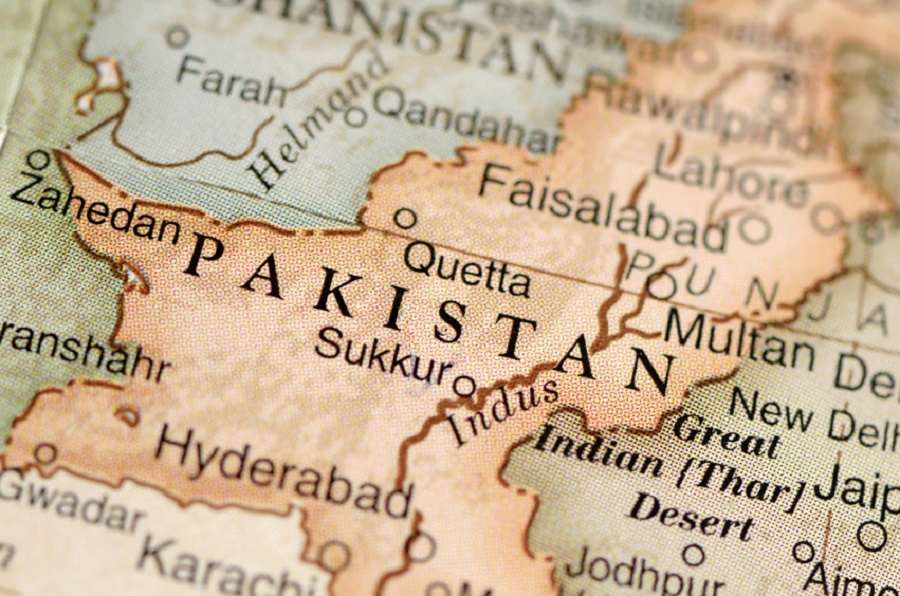
The Texas House of Representatives recently passed a resolution recognizing March 23 as “Pakistan Day,” highlighting the contributions Pakistani Americans have made to the state’s economy, culture, and society. Introduced by state Rep. Dr. Suleman Lalani, the resolution aimed to celebrate diversity and strengthen ties between communities.
Yet while Texas honors Pakistan’s image abroad, the reality for Christians in Pakistan today remains grim and deeply troubling.
In Pakistan, religious minorities, particularly Christians, endure widespread persecution under harsh blasphemy laws. These laws prescribe the death penalty for any perceived insult to Islam, and they are routinely weaponized to settle personal disputes, intimidate minorities, or silence dissent. Accusations, often without evidence, can trigger deadly consequences, both legal and extrajudicial. Those accused of blasphemy face immediate danger as angry mobs often take justice into their own hands, sometimes with fatal results. Even the judicial process offers little protection, with judges and lawyers fearful of violent retaliation for appearing sympathetic to the accused.
Helpless in Pakistan
Mob violence against Christians has become alarmingly frequent. In August 2023, in the town of Jaranwala, mobs destroyed churches and homes after two Christians were falsely accused of desecrating the Qur’an. Despite mass arrests, survivors reported that police largely failed to intervene during the attacks. In May 2024, another Christian, 74-year-old Lazar Masih, was beaten to death by a mob after a similar accusation. Such incidents underline how easily mere suspicion can spiral into lethal violence, leaving Christian communities in constant fear for their lives.
Beyond the threat of mob attacks, forced conversions of Christian girls represent another grave crisis. Every year, hundreds of underage Christian girls are abducted, coerced into converting to Islam, and forced to marry their captors. Families seeking justice often face indifference or outright hostility from local authorities. Courts frequently accept dubious claims that minors “voluntarily” converted and married, ignoring clear evidence of coercion. In most cases, abductors escape prosecution altogether, reinforcing a culture of impunity that leaves Christian families helpless.
The lack of accountability for these abuses is systemic. Even when officials pledge to investigate mob attacks or abductions, prosecutions rarely result in justice. Trials are delayed indefinitely, evidence disappears, and judges, fearing reprisals, often err on the side of the accusers. Victims languish in prison for years under dubious charges, while violent mobs and kidnappers are seldom punished. The cycle of injustice remains firmly entrenched, offering no respite for Pakistan’s Christian minority.
Ignored by the World
Despite widespread documentation of these abuses by international organizations, the plight of Pakistani Christians receives little global attention. While human rights commissions and religious freedom advocates repeatedly sound alarms, these warnings are often drowned out by diplomatic courtesies and trade negotiations. Pakistan remains a U.S. ally and a strategic partner in South Asia, factors that often eclipse the grim realities its religious minorities face in discussions among policymakers and the media.
The Texas resolution celebrating Pakistan Day reflects a larger disconnect. By honoring Pakistan without acknowledging the country’s serious human rights abuses, leaders risk sending the message that the persecution of Christians is a secondary concern. Symbolic gestures that overlook such suffering do a disservice not only to the victims in Pakistan but also to the principles of freedom and justice that America is meant to champion.
Recognizing the contributions of Pakistani Americans is important. But it must not come at the cost of ignoring the brutal realities faced by Christians in Pakistan. True solidarity with Pakistani Americans should include an honest acknowledgment of the ongoing persecution in their country of origin. Advocacy for human rights must be inseparable from efforts to celebrate cultural ties. Ignoring these issues not only fails the victims abroad but also undermines America’s commitment to religious liberty everywhere.
Breaking the silence about Christian persecution in Pakistan is no longer optional. The international community, faith leaders, and policymakers must confront the brutal facts and insist on change. Raising awareness, applying diplomatic pressure, and tying aid and cooperation to tangible improvements in human rights can make a difference. But silence and celebration without accountability only embolden the perpetrators and deepen the suffering.
If Texas and other states are serious about honoring the Pakistani American community while staying true to their values, they must also stand up for those who suffer under Pakistan’s broken system. Honoring culture must never mean excusing oppression. Religious freedom is a right that demands vigilance and courage — not selective attention based on political convenience.
Amine Ayoub, a Middle East Forum fellow, is a policy analyst and writer based in Morocco.