


Should We Pray for Putin?
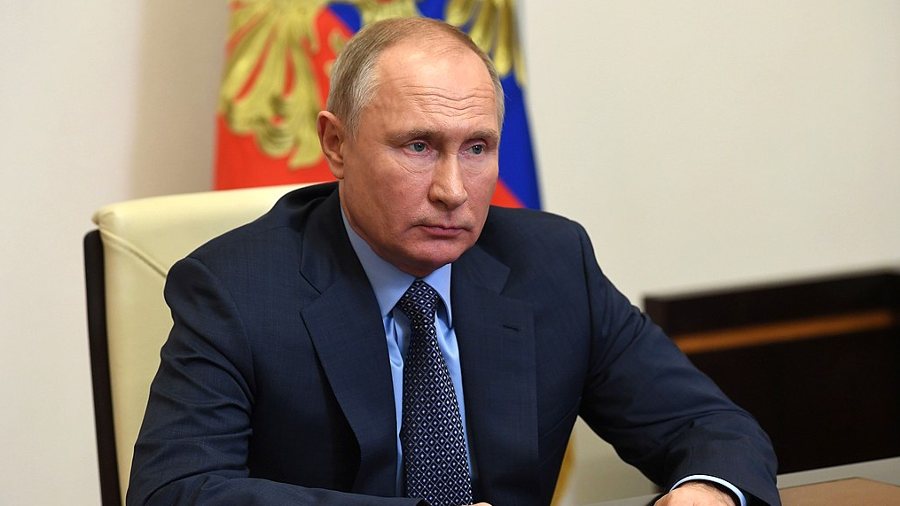
The war in Ukraine has brought unimaginable suffering — cities reduced to rubble, families torn apart, and countless lives lost over the last few years. The world watches in grief and anger as reports of war crimes continue to surface. Many Christians have prayed fervently for Ukraine, for peace, for the innocent, and for justice.
But what about Vladimir Putin? Should we, as disciples of Jesus, pray for him, too?
Jesus’s words in Matthew 5:44 leave no room for ambiguity:
“But I say to you, love your enemies and pray for those who persecute you.”
This command is radical and countercultural. It’s easy to pray for victims, but what about those who cause suffering? Can we genuinely pray for someone responsible for destruction, war crimes, and human suffering?
Paul echoes this teaching in 1 Timothy 2:1-2:
I urge, then, first of all, that petitions, prayers, intercession and thanksgiving be made for all people — for kings and all those in authority, that we may live peaceful and quiet lives in all godliness and holiness.
Evenhanded Obedience
In Paul’s time, “kings” included rulers like Nero, who persecuted Christians mercilessly and in some of the most horrific ways imaginable: crucifixion, being torn apart by wild animals, or covered in pitch, lit on fire – and being used as tiki torches to light the garden at the emperor’s outdoor parties. If early Christians were called to pray for such tyrants, we are called to do the same today.
Interestingly, the most powerful examples of this obedience today can be found among Christians in Eastern Europe. Despite suffering immense hardship, many remain steadfast in praying for both sides of the war in Ukraine— for their leaders, for their enemies, and for peace. At Eastern European Mission, we have received requests from Ukrainian believers working with the military to distribute Bibles to Russian prisoners of war — the very soldiers sent to destroy their land. If they can walk in such holy compassion, shouldn’t we?
Praying for Putin does not mean excusing his actions or diminishing the horrors of war. It means interceding for him before God in ways that align with His justice, mercy, and sovereign will. Here are specific ways we can pray:
- Pray for Repentance – That his heart would be softened, his eyes opened to the truth, and that he would repent of the atrocities committed.
- Pray for Restraint – That God would limit his power, disrupt his plans for further violence, and bring an end to the suffering of innocent people.
- Pray for Justice – That God’s righteousness would prevail and that Putin would be held accountable for his actions.
- Pray for Peace – That God would intervene to bring about a just resolution to the war and healing to the people of Ukraine and Russia.
- Pray for His Soul – As hard as it is, we are called to pray that even those who seem beyond redemption would encounter God’s grace, just as Paul (formerly Saul) did when he was a persecutor of Christians.
A Deeper Level
Praying for Putin is about obeying Christ, not about endorsing evil. It is an act of surrender, trusting that vengeance belongs to the Lord (Romans 12:19) and that God’s justice cannot be thwarted. It is also a reminder that God’s transformative power is greater than any man’s sin.
History is full of leaders who seemed irredeemable, yet God changed their hearts. Saul became Paul. Nebuchadnezzar, who once defied God, was humbled and acknowledged His sovereignty (Daniel 4:34-37). Even the hardest hearts are not beyond God’s reach.
Praying for Putin does not mean ignoring the suffering of Ukraine. It does not mean silence in the face of evil. Instead, it calls us to a deeper, harder faith — a faith that believes in both justice and grace. It challenges us to mirror Christ, who, even as He was crucified, prayed:
“Father, forgive them, for they do not know what they are doing.” (Luke 23:34)
So, should we pray for Putin?
Yes.
Not because he deserves it, but because we are disciples of Jesus, and He commands us to do so. And in doing so, we trust that God’s justice, mercy, and sovereignty will prevail.
Dirk Smith serves as vice president of Eastern European Mission, a ministry which has been delivering God’s Word to the people of Eastern Europe since 1961. Today, EEM publishes and prints Bibles and New Testaments as well as teen Bibles, children’s Bibles, and coloring books, distributing them through a vast network of partner churches and organizations reaching over 35 countries in more than 30 languages.