


Amidst the Rubble: A Perspective on the Damascus Church Bombing and the Complexities of Faith, Conflict, and the Shifting Regional Landscape
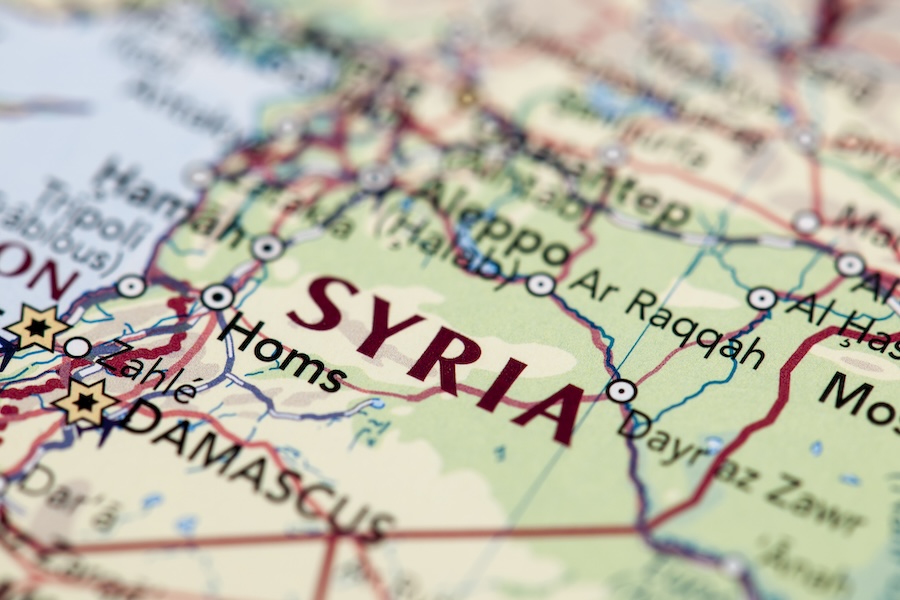
The recent bombing of the Mar Elias Church near Damascus, which claimed the lives of at least 25 innocent worshippers and left dozens more injured, stands as a grim and heartrending reminder of the perilous reality ancient faith communities across the Middle East are facing. This heinous act, attributed to the Islamic State (IS) group, is not merely a tragic isolated event. It reflects a broader ideological crusade — one rooted in violent extremism — that aims to dismantle centuries of coexistence, undermine religious plurality, and erase entire communities from the lands they have called home for millennia.
Syria, often described as a cradle of ancient faiths, has long been home to a mosaic of religious communities, including Christians, Alawites, Druze, Shiites, and Sunnis. Cities like Damascus, Aleppo, and Homs have historically been vibrant centers of diverse spiritual expression. Antioch — now in modern-day Turkey but historically a Syrian city — was one of the earliest hubs of Christianity. Throughout history, these communities were not mere relics of the past but vital participants in the cultural, economic, and political life of the region. The attack on Mar Elias, therefore, is not only an assault on a sacred space but also on the very soul of Syria’s pluralistic identity.
Religious Cleansing
The modus operandi of the Islamic State is consistent and chilling. Its extremist ideology deems those outside its narrow interpretation of Sunni Islam as heretics or infidels, legitimizing their persecution. In both Syria and Iraq, ancient faith communities have been decimated. In Iraq, the combined population of Chaldean, Syriac, and Assyrian Christians plummeted from over one million before 2003 to fewer than 300,000 today. In Syria, similar patterns have emerged. Estimates suggest that the Christian population alone has shrunk from 1.5 million before 2011 to just 300,000, driven out by violence, fear, and systemic targeting. These communities, already vulnerable, have become pawns and victims in the broader sectarian conflicts and geopolitical rivalries that plague the region.
The Interior Ministry’s revelation that the same IS sleeper cell behind the Mar Elias bombing had plotted to attack a Shiite shrine further underlines the group’s indiscriminate hatred. Their objective is not just to harm one group but to fracture the already-fragile fabric of Syrian society, driving wedges between its people and perpetuating a cycle of distrust and violence.
As this tragedy unfolds, it coincides with dramatic political shifts in the region. Moves toward normalization with the Syrian government under interim President Ahmed al-Sharaa, including the lifting of U.S. sanctions and regional diplomatic overtures, have added new layers of complexity. President Donald Trump’s recent meeting with al-Sharaa in Riyadh and his comments encouraging Syria to “get themselves straightened up” have signaled a pivotal moment in foreign policy. Proponents of normalization argue it could encourage reconstruction, refugee return, and economic recovery in a country where over 90% of people lived in poverty by 2022. Syria’s GDP has shrunk by over 80% since 2010, and the easing of sanctions is expected to stimulate investment and provide humanitarian relief.
However, this approach carries significant risks. Critics argue that engaging with the al-Sharaa-led government may legitimize a regime that, despite new leadership, has yet to demonstrate a clear break from the practices that contributed to Syria’s collapse. Al-Sharaa, a former Islamist rebel once associated with the jihadist group Hayat Tahrir al-Sham (HTS), claims to champion inclusivity. Yet rising sectarian violence casts doubt on these assurances. More than 100 Druze have reportedly been killed since May, and earlier attacks targeted Alawite civilians. The interim government’s constitutional declaration — stating Islam as the president’s religion and Islamic jurisprudence as the foundation of legislation — has sparked criticism for entrenching sectarian governance and failing to protect Syria’s diverse religious communities.
For those communities, particularly Christians, Alawites, and Druze who have borne the brunt of conflict, these developments are deeply troubling. The perception that the international community is overlooking their suffering or aligning with a leadership that has either enabled or failed to stop such violence is viewed by many as a betrayal. It risks signaling to extremist actors that religious minorities are expendable, thereby emboldening further attacks or justifying renewed cycles of persecution. Without meaningful reforms, accountability, and power-sharing mechanisms that prioritize pluralism, normalization could entrench the very dynamics that led to Syria’s fragmentation.
In the aftermath of the Mar Elias bombing, communities across the region — and around the world — mourn. But beyond mourning, there is a growing resolve. Clergy and laity alike have called not only for justice but for deeper interfaith solidarity, broader protection for vulnerable populations, and a recommitment to the values of tolerance and mutual respect. The scenes from the funerals — crowds carrying white coffins, chanting for peace and honoring the dead as martyrs — illustrate a profound resilience. Faith, in these moments, becomes both a source of grief and a wellspring of strength.
Amine Ayoub, a Middle East Forum fellow, is a policy analyst and writer based in Morocco.